




Lighting the Way to Safety and Efficiency:The Essential Guide to OSHA Standards and LED Solutions
In any professional setting, proper lighting isn’t just about illuminating the room—it’s about creating a safe, productive, and energy-efficient environment for workers. Whether you’re managing an office, factory, or warehouse, lighting is critical in complying with regulatory standards, reducing workplace accidents, and boosting employee performance. This detailed guide dives into the essentials of workplace lighting standards, from OSHA’s requirements to the benefits of advanced LED lighting solutions. By the end, you’ll understand how tailored lighting can elevate your workspace, ensure compliance, and enhance operational efficiency.
Overview of Workplace Lighting Standards
Workplace lighting standards are designed to ensure that employees work in environments that support their health, safety, and productivity. These standards are regulated by various national and international organizations, but in the United States, the Occupational Safety and Health Administration (OSHA) plays a crucial role in defining the minimum lighting requirements for different types of workspaces.
Lighting standards address several key aspects, including the intensity of light, uniformity of illumination, and energy efficiency. Whether in offices, warehouses, or industrial facilities, lighting should provide adequate visibility while reducing glare, preventing eye strain, and minimizing the risk of accidents. Proper lighting levels also help in compliance with OSHA regulations, which set the foundation for maintaining a safe work environment.
OSHA Lighting Requirements: A Deep Dive
Understanding OSHA’s Standards
OSHA has specific regulations for workplace lighting, outlined under different subparts depending on the type of workplace. These regulations are not just about providing enough light but ensuring that it’s the right type of light to promote safety and efficiency.
Some of the critical lighting regulations include:
OSHA Foot-Candle and Lux Requirements
- Foot-Candles (fc): This is the unit used by OSHA to measure light intensity, representing the amount of light falling on a surface.
- General construction areas require a minimum of 5 foot-candles.
- Offices and retail spaces should have 50-70 foot-candles to ensure proper visibility for tasks like reading and writing.
- High-risk areas such as first-aid stations demand 30 foot-candles to ensure medical personnel can work without strain.
- Lux: Lux is a metric unit used globally, measuring light intensity over a one-square-meter surface. One foot-candle equals approximately 10.764 lux, which is useful for those managing international workspaces.
OSHA’s Specific Lighting Standards for Different Workplaces
- OSHA 1910 Illumination Standards: Focuses on general industry workplaces and includes specific lighting requirements for exit routes and emergency planning.
- OSHA 1926 Subpart D: Applies to construction sites, setting clear standards for scaffolding, walkways, and underground areas.
- OSHA 1915 Subpart F: Targeted at shipyards, ensuring adequate lighting for confined spaces and various work areas.
By adhering to these standards, companies not only ensure that their work environments are safe but also reduce the likelihood of costly OSHA fines.
Key Considerations for Designing Effective Lighting
When designing a workplace lighting system, several factors need to be taken into account to ensure the environment is conducive to productivity and safety.
1.Illumination Levels
It’s crucial to tailor lighting levels to the specific needs of different work areas. For example:
- Offices: Require between 50-70 foot-candles for general tasks. For tasks requiring precision, additional task lighting should be incorporated.
- Warehouses and Factories: Lighting levels may vary depending on the nature of the tasks, but ensuring 5 foot-candles for general areas and 10 foot-candles for assembly zones is a common requirement.
2.Glare Reduction
Excessive glare can cause eye strain and discomfort, impacting worker productivity. Using fixtures with diffusers or glare shields can mitigate this issue, ensuring a comfortable lighting environment.
3.Color Temperature
The color temperature of lights can significantly impact mood and alertness. Typically, for office environments, a 4000K-5000K light temperature mimics natural daylight, boosting focus and reducing fatigue. In industrial settings, cooler temperatures may be used to enhance visibility.
4.Energy Efficiency
Energy-efficient lighting, such as LEDs, reduces energy consumption and lowers operational costs. Opting for energy-efficient solutions also supports sustainability goals by reducing the overall carbon footprint of a workplace.
Why LED Lighting is the Superior Choice for the Workplace
LED lighting solutions offer distinct advantages that make them the preferred choice for modern workplaces. Let’s break down why they’re the superior option.
1.Energy Efficiency
LEDs consume up to 70% less energy than traditional incandescent and fluorescent lights, significantly lowering electricity bills. In high-use areas like warehouses or factories, this can translate to considerable savings over time.
2.Longevity and Durability
LED lights have an average lifespan of over 50,000 hours, meaning less frequent replacement and lower maintenance costs. They also perform better in challenging environments, such as high-heat or high-humidity areas, where traditional lighting might fail sooner.
3.Customizability and Versatility
LEDs offer customizable features like dimming, adjustable color temperature, and smart integration, allowing businesses to tailor lighting to their specific needs. For example, offices may require dimmable LED panel lights, while industrial facilities may benefit from high-bay LED fixtures with adjustable beam angles.
4.Compliance
LED lighting easily meets OSHA’s requirements for minimum light levels while providing uniform illumination that eliminates dark spots in work areas, promoting worker safety.
Consequences of Non-Compliance with Lighting Standards
Failing to meet OSHA lighting standards can have serious implications. Let’s examine the potential risks and consequences:
- Increased Risk of Accidents
Insufficient lighting is a leading cause of workplace accidents. Poor visibility can lead to falls, collisions, and errors in machinery operation, jeopardizing worker safety. - Legal and Financial Repercussions
Non-compliance with OSHA lighting standards can result in hefty fines and legal consequences. For instance, penalties for violations can exceed $13,000 per infraction. - Reduced Productivity
Inadequate lighting not only affects safety but also impacts productivity. Workers are more likely to experience eye strain and fatigue, which diminishes efficiency and quality of work. - Energy Waste
Using outdated or inefficient lighting systems can contribute to unnecessary energy waste. Non-compliance with energy efficiency standards could result in increased operational costs and missed opportunities for energy savings.
How to Design an OSHA-Compliant Lighting Plan
Creating an effective, OSHA-compliant lighting plan involves several steps:
- Assess Workplace Needs
Conduct a thorough assessment of your workplace to determine the appropriate lighting levels for each area. For instance, high-traffic areas and task-specific zones may require additional lighting. - Choose the Right Fixtures
Select lighting fixtures that meet or exceed OSHA’s lighting standards. LED lighting is often the best choice due to its energy efficiency, long lifespan, and ability to provide uniform illumination. - Install Energy-Efficient Solutions
Opt for energy-efficient lighting solutions that not only meet regulatory standards but also reduce long-term operational costs. This includes considering dimmable lights and motion sensors in less frequently used areas. - Regular Maintenance
Ensure that lighting systems are regularly maintained to prevent deterioration in light quality and ensure compliance with ongoing regulations. This includes cleaning light fixtures, replacing bulbs, and adjusting lighting levels as needed.
Common FAQs about Workplace Lighting
- What is the minimum light level required for office spaces?
Office spaces typically require between 50-70 foot-candles to ensure proper visibility for reading, writing, and other detailed tasks. - Can LED lights meet OSHA’s lighting requirements?
Yes, LED lights are an excellent choice for meeting OSHA’s lighting standards due to their brightness, energy efficiency, and long lifespan. - What should be considered when designing lighting for a warehouse?
Warehouse lighting should meet OSHA’s requirements of at least 5 foot-candles in general areas, with additional lighting in specific zones such as loading docks and assembly lines.
Recommended Lighting Solutions
To ensure both safety and efficiency, consider implementing the following lighting solutions:
- High Bay LED Lights: Perfect for warehouses and factories, offering broad illumination and high durability.
- LED Panel Lights: Ideal for office spaces, providing even and glare-free lighting that promotes focus and reduces eye strain.
- Dimmable LED Fixtures: Adaptable for retail spaces, allowing you to adjust light levels depending on time of day or promotional events.
- Smart LED Solutions: These can be integrated with automated systems to adjust lighting based on ambient natural light or occupancy, ensuring maximum efficiency.
In Conclusion:
Proper workplace lighting is not only essential for compliance with OSHA standards but also for promoting employee well-being and productivity. Whether you’re optimizing lighting for an office, warehouse, or industrial space, the right lighting solution can create a safer, more efficient work environment.
If you’re looking to upgrade your workplace lighting, Bbier.com offers a wide range of high-quality LED lighting solutions, including high bay lights, panel lights, and customizable smart LED options, all designed to help you meet both regulatory requirements and energy
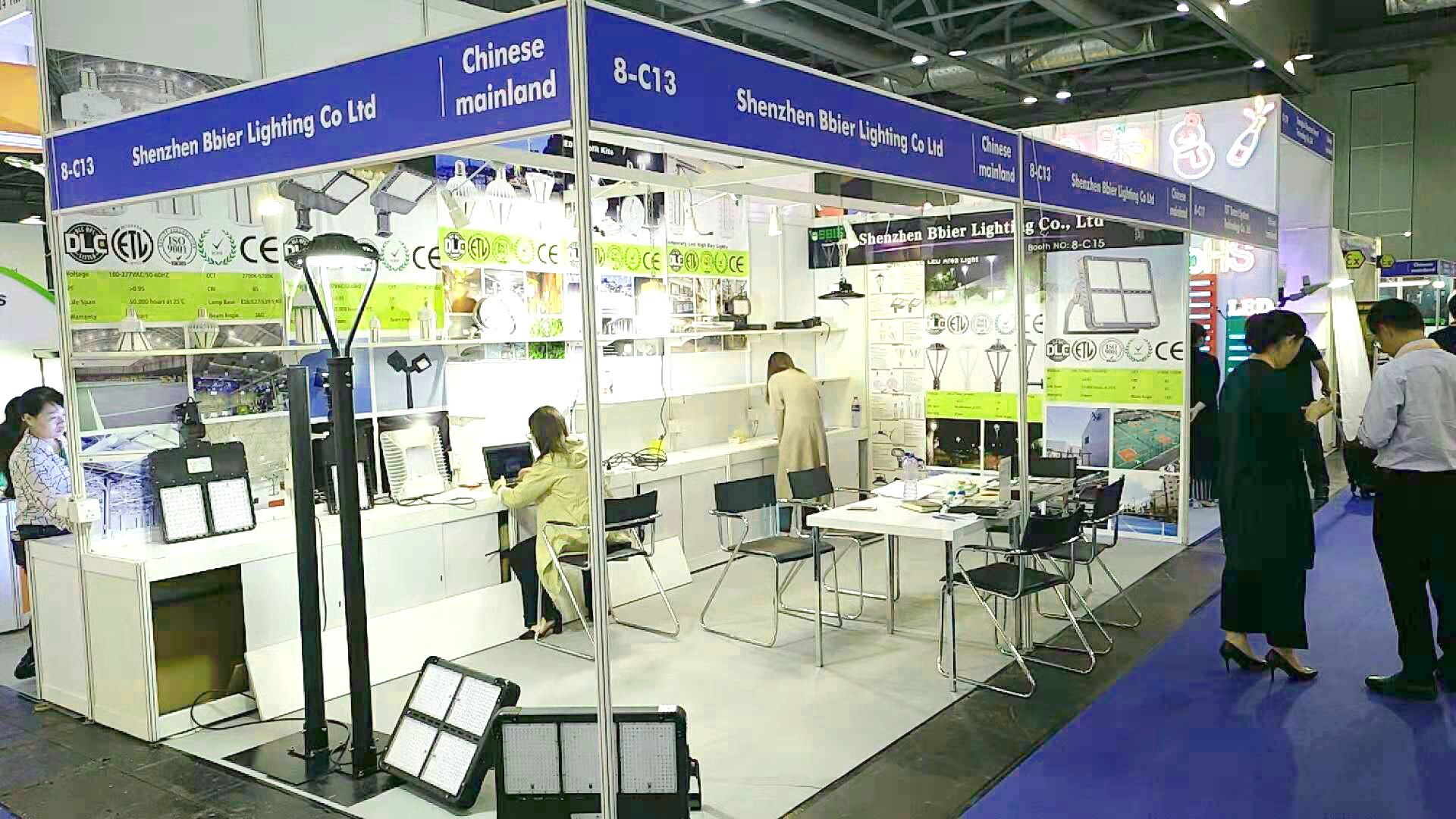
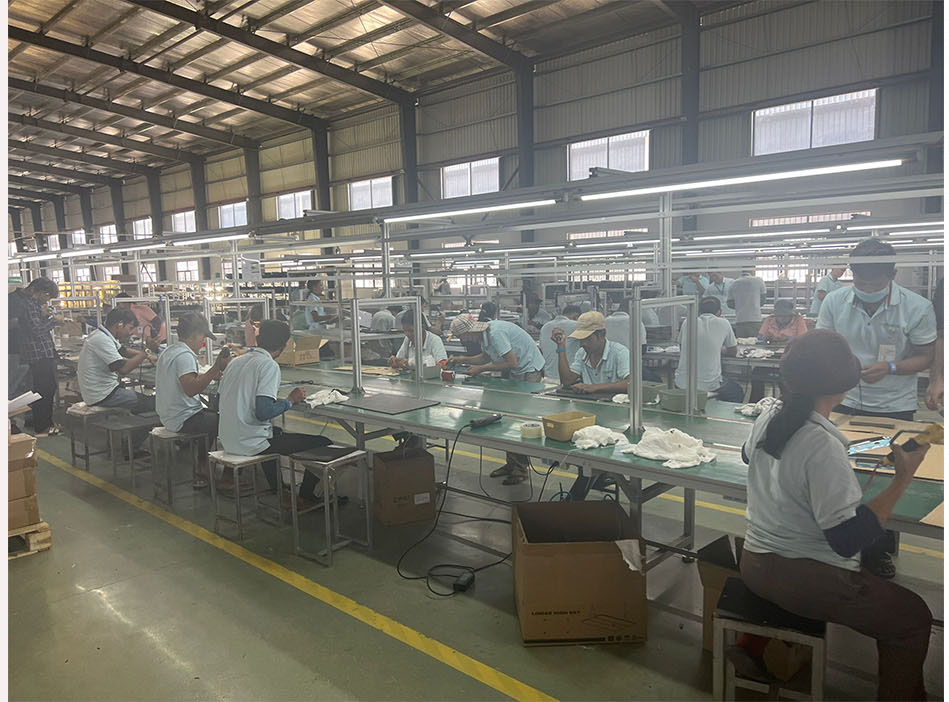
We have over 15 years of commercial lighting R&D experience, 50+ LED lights patents, 200+ LED Lights Certifications, Support OEM & ODM, 3/5 Years Warranty. Which can be widely used in commercial, industrial, residential, and other different occasions.Our factory has an experienced and skilled R&D team, dedicated to constantly innovate, improve product performance and quality. We also have a complete production line, from design, manufacturing to testing, every link goes through strict quality control, to ensure that each product can meet the needs and expectations of customers. We also provide comprehensive after-sales service, providing technical support and maintenance services to make customers' experience more smooth and satisfactory.BBIER® adheres to the principle of "quality first, customer first", and is committed to providing customers with high-quality products and services, becoming a trusted partner of customers. We will continue to innovate and improve, bring more value and contribution to customers.
50+ LED Lights Patents
200+ LED Lights Certifications
Support OEM & ODM

DLC

ETL

ISO
TUV

UL
Tel:
Email: info@bbier.com
Headquarter: No.4/F Bldg 5, 37 Kengwei Ave., Shiyan Town, Bao'an Dist., Shenzhen 518108, China
USA California Warehouse: 308 Green St Fruitland MD 21826

